
Author: levi k. stewart

Best Wishes for 2026

2025 was a landmark year of growth, both professionally and personally. From securing significant infrastructure funding to achieving new heights in health and family travel, here is a look back at the milestones that defined the year and a glimpse at what is ahead for 2026.

Professional Highlights

  • Grant Success: Successfully secured a $18 million CFI Grant, a transformative investment that will drive critical project goals forward.
  • New Credentials: Expanded my professional toolkit by earning my Project Management Professional (PMP) certification.
  • Industry Recognition: Officially became a Certified Planner (MPIA) with the Planning Institute of Australia (PIA), aligning my practice with international excellence in urban and regional planning

Personal Milestones

Family & Travel: Led a memorable “European Adventure” with my boys, exploring the culture and landscapes of France, Switzerland, and Germany.

Health & Wellness: Prioritized physical health, resulting in healthy weight loss and the successful completion of my 4th Run Disney Wine & Dine race.

Looking Ahead to 2026

The momentum continues into the new year with a heavy focus on the Asia-Pacific region. I am looking forward to attending (possibly presenting) the Australian Planning Congress in May and embarking on an extensive journey through Fiji and the major Australian hubs of Sydney, Canberra, Melbourne, and Perth.

The Tale of Two Climate Cities: Why Equity is the Secret Ingredient for Resilience

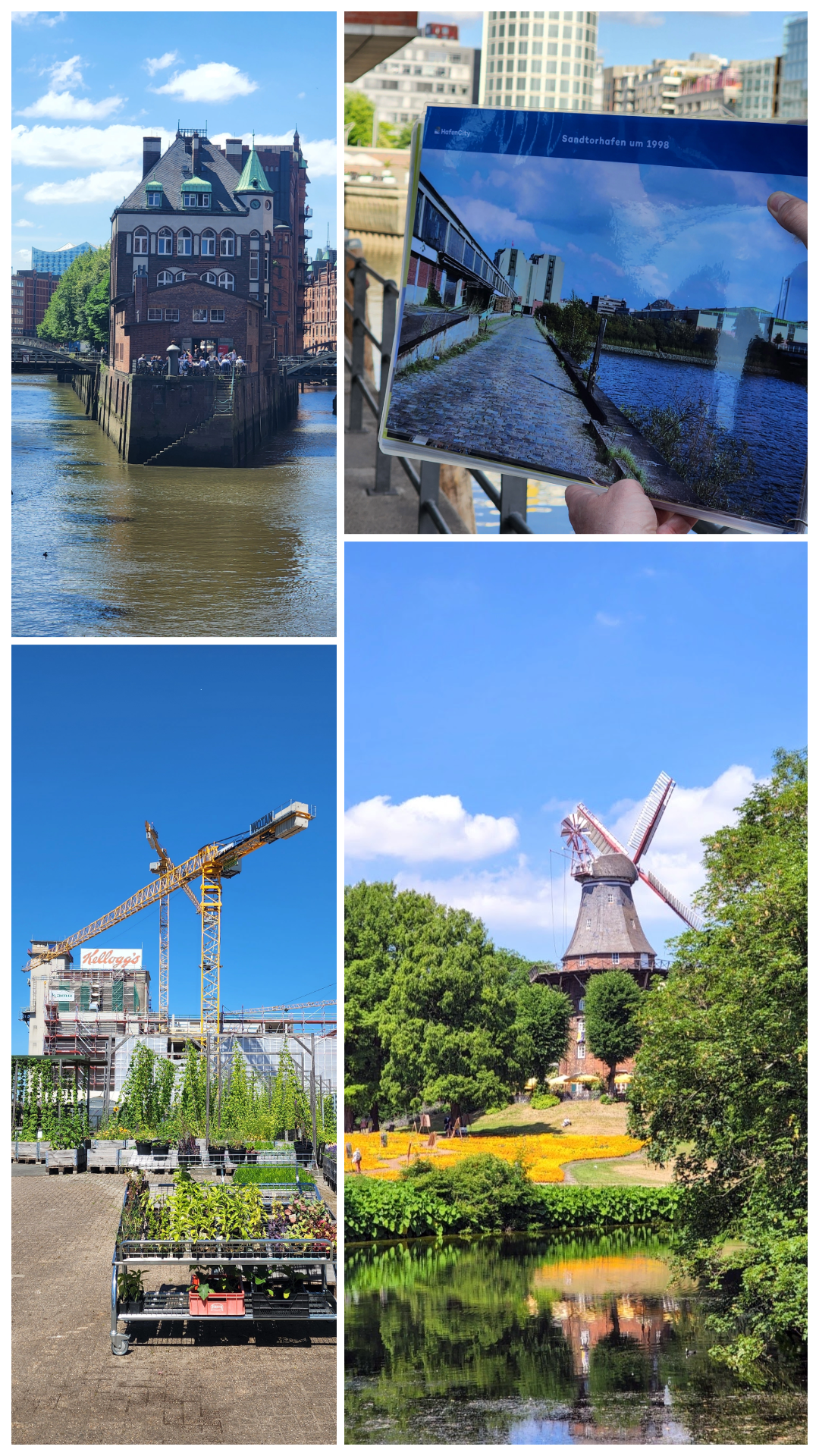
A few years ago, I had the incredible opportunity to travel to Hamburg and Bremen (Germany) with the German American Chamber of Commerce. We were there to see firsthand how Germany is tackling large-scale, eco-friendly, and adaptable mega-projects. From HafenCity in Hamburg to the repurposed industrial zones in Bremen, the technical innovation was staggering. But it left me with a nagging question that all of us planning nerds eventually ask: these projects are resilient, but are they fair?

A fascinating new paper in the journal Cities dives headfirst into this question, exploring how cities can weave social equity into the fabric of their climate adaptation plans. The authors, Hannah Berner, Sonia De Gregorio Hurtado, and Enrico Gualini, introduce a powerful concept called “equitable resilience” and use it to compare the different paths taken by two of Europe’s most progressive cities: Barcelona and Berlin. The results are a must-read for anyone thinking about the future of our cities.


It’s Not Just About Bouncing Back, It’s About Bouncing Forward—Fairly

For years, “resilience” has been the buzzword in planning, often defined as a city’s ability to withstand shocks like heatwaves or floods and bounce back. But the authors argue this isn’t enough. Climate change doesn’t affect everyone equally; it hits marginalized communities the hardest. True resilience, they argue, means tackling these underlying inequities head-on.

They frame “equitable resilience” around three core dimensions of justice:

  • Recognitional Justice (Seeing the Invisible): This is about formally acknowledging that different groups face different risks. Planners must recognize that vulnerability isn’t just about living in a flood plain; it’s shaped by factors like age, income, gender, and health.
  • Procedural Justice (A Seat at the Table): This demands that decision-making is inclusive and transparent. It’s not enough to hold a town hall; cities must actively reach out to and incorporate the knowledge and experiences of vulnerable and often-excluded communities.
  • Distributional Justice (Sharing the Good Stuff): This is the classic “who gets what” question. It means ensuring that the benefits of climate adaptation—like new parks, cooling centers, and green infrastructure—are distributed fairly, prioritizing the communities that need them most.

The Case Studies: Barcelona’s People-Powered Justice vs. Berlin’s Data-Driven Precision

The paper puts this framework to the test by analyzing the climate plans of Barcelona and Berlin, two cities celebrated for their progressive planning but with surprisingly different philosophies.

Barcelona: The Community Champion

Barcelona’s approach is rooted in a powerful, explicitly stated mission: achieving “climate justice”. This isn’t just jargon; it’s a guiding principle that shapes their entire strategy.

  • Process: The city’s plans were born from a network of citizen organizations and social movements. They use a
  • co-productive process, employing workshops and the digital platform Decidim (‘We Decide’) to involve the public directly in creating solutions.
  • Recognition: Their strategy goes deep, creating a heat-wave vulnerability index that cross-references temperature with socio-economic factors like age, health, and housing quality to identify the neighborhoods most at risk.
  • Distribution: Barcelona’s plans feature both specific and generic measures. They plan for

climate shelters and green infrastructure in prioritized areas. But more radically, they also implement broad social policies, like a “no cuts” rule preventing utilities from shutting off power or water for vulnerable households and creating “care superblocks” to deploy social and care workers to strengthen local support networks.

Berlin: The Technical Virtuoso

Berlin, in contrast, takes a more conventional, expert-driven approach. The city’s strategies are technically impressive but lack the strong, unifying moral framework seen in Barcelona.

  • Process: Berlin’s planning process was led by sectoral agencies and a research institute, with participation largely limited to a professional community of stakeholders. The public and vulnerable groups were not directly consulted in the development of the core strategies.
  • Recognition: Berlin has a powerful tool: the Environmental Justice Atlas. This incredible map overlays environmental burdens (like air pollution and noise) with social vulnerability data, creating a comprehensive city-wide picture of inequity. However, the paper finds that this intersectional analysis is often disconnected from the main adaptation strategy, which focuses more on a technical “sectoral vulnerability” (e.g., how is the water infrastructure affected?).
  • Distribution: Here lies the biggest gap. While the plans acknowledge that disadvantaged districts need special attention, the detailed vulnerability analyses from the Atlas have not yet been translated into concrete, targeted planning measures. There’s a disconnect between their excellent data and their on-the-ground actions.

What Can We Nerds Learn From This?

This comparison isn’t about crowning a winner. Instead, it offers crucial lessons for planners everywhere who are serious about building equitable cities.

  1. Data Isn’t Enough: Berlin’s case is a powerful reminder that even the most sophisticated maps and data sets are of limited use without a clear political commitment and a procedural framework to act on them.
  2. Process Is Power: Barcelona shows that rooting a climate plan in community co-production and social movements builds the legitimacy and local knowledge needed for transformative change.
  3. Think Beyond Green Roofs: True climate resilience is as much about social policy as it is about physical infrastructure. Barcelona’s focus on preventing energy poverty and providing social care is a game-changing example of “generic” adaptation measures that build a community’s underlying capacity to withstand shocks.
  4. Words Matter: By putting “climate justice” at the center of its strategy, Barcelona created a north star for all its actions. Berlin’s lack of a similar normative core led to a more fragmented and less transformative approach.

As I reflect on the incredible engineering I saw in Hamburg and Bremen, this paper adds a crucial dimension to the conversation. Building resilient cities isn’t just a technical challenge; it’s a moral one. The question we must constantly ask ourselves is not just can we adapt, but for whom are we adapting?

https://www.sciencedirect.com/science/article/pii/S0264275125001362

Measuring What Matters: New Indicators to Track Climate-Ready Cities

As urban planners, we are at the forefront of preparing our cities for the escalating challenges of climate change, particularly extreme heat and heavy rainfall. We develop strategies and implement plans, but a critical question often remains: How do we know if our efforts are actually working? Quantifying the progress of climate adaptation can be challenging2.

A new review article by Nisha Patel and her colleagues, “Assessing Progress in Urban Climate Adaptation,” delves into this very issue, providing a comprehensive look at Urban Climate Adaptation Indicators (UCAIs) that can help municipalities track their progress in creating heat- and water-sensitive cities. The study, which combines a literature review with expert workshops in Germany, identifies 27 key indicators that planners can use to measure real-world changes in urban infrastructure.

What Are Urban Climate Adaptation Indicators (UCAIs)?

UCAIs are metrics that help monitor the tangible outcomes of climate adaptation plans over both the short term (6 months to a decade) and long term (over a decade). Instead of just tracking inputs (like money spent), these indicators focus on results—the visible, planned, or built changes that reduce climate risks like heat stress and flooding.

The researchers grouped these 27 indicators into five key areas crucial for urban resilience:

  1. Surface and Urban Overheating Indicators: These metrics help cities understand and mitigate the Urban Heat Island (UHI) effect. While complex indicators like
  2. Building Type and Structure Indicators: The physical form of a city—its density, building height, and materials—plays a major role in its climate. Indicators in this category include
  3. Green Infrastructure Indicators: This is one of the most promising categories identified in the study. Green spaces not only mitigate heat and heavy rainfall but also improve air quality and public health.
  4. Soil-Sealing Indicators: Soil sealing—covering the ground with impervious surfaces like concrete and asphalt—is a major driver of both urban heat and flood risk. Tracking the
  5. Water-Sensitive Urban Development (WSUD) Indicators: These indicators focus specifically on managing heavy precipitation and reducing flood risk. Key metrics include the

Key Takeaways for Planners

The review concludes that the most promising indicators are those related to green infrastructure and soil sealing. These metrics are powerful because they assess multiple adaptation measures simultaneously, have clear co-benefits for health and biodiversity, and avoid major conflicts with other urban planning goals.

However, the authors stress a critical challenge: the lack of systematic, high-resolution, and readily available data to calculate these indicators effectively. To move forward, planners need better tools and national-level support to continuously monitor climate-related changes, allowing for more informed and effective decision-making in building the resilient, sustainable cities of the future.

Powering up: how Ethiopia is becoming an unlikely leader in the electric vehicle revolution

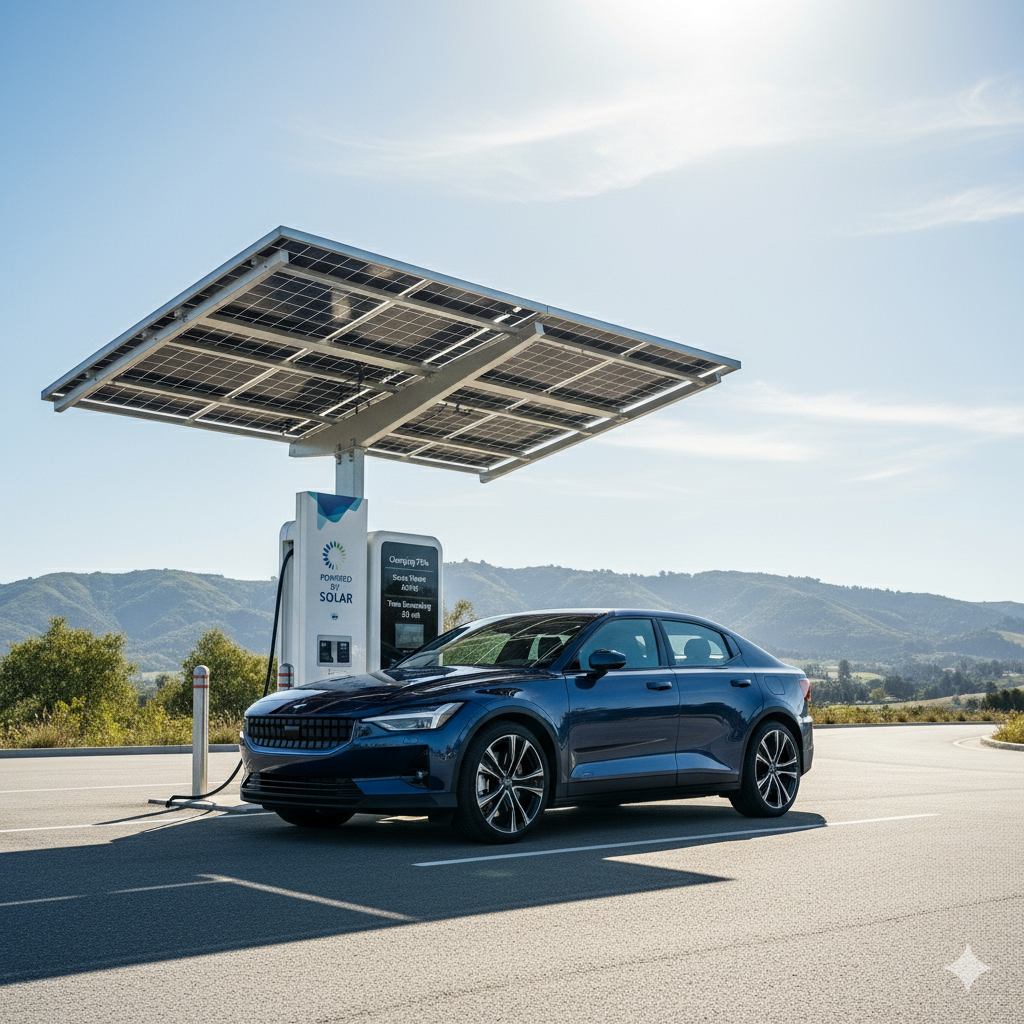
I read a fascinating article online at The Guardian this week about Ethiopia’s plan to completely ban gas and diesel cars, a giant leap they can take because they’ve invested so much in clean energy from a new dam. It’s a powerful reminder that big dreams for electric vehicles need a strong foundation to stand on before they can become a reality. That’s why  I so excited about our $18 million CFI grant award and the possibility of DOT moving forward with the Round 2 recipients. While we aren’t building a massive dam, this grant is key to laying that same kind of groundwork—making sure we have reliable and accessible charging stations for all our neighbors and that our local grid is ready for the change. Ethiopia’s ambition is inspiring, and I’m thrilled that we might soon have the tools to start building our own smart, clean transportation future right here at home.

https://www.theguardian.com/global-development/2025/sep/12/ethiopia-electric-vehicle-power-petrol-diesel-cars-dam-green-energy

Streets of Tomorrow: Building for a Changing Climate

Our cities are on the front lines of climate change, with few places in the world more impacted than my current home state of Florida. In many parts of the state, you no longer need a hurricane for roads to flood—just a sunny day and a high tide.

While the Florida Department of Transportation (FDOT) has thankfully moved past climate change denial (kind-of ?) and begun the critical work of studying vulnerabilities and elevating some key roads, their pace feels out of sync with the urgency of our reality. The current approach is more reactive than proactive. This continues to result in a patchwork of fortified roads rather than a truly resilient, statewide network designed for the future. As the water keeps rising, we’re left with a crucial question: are these efforts enough to keep Florida moving, or are they just expensive band-aids on a rapidly worsening wound?
Traditionally, we’ve treated mitigation and adaptation as separate tasks. Mitigation strategies aim to reduce the sources of greenhouse gases. On our streets, this means encouraging walking, cycling, and public transit over driving, installing EV charging stations, and using low-carbon construction materials. Adaptation, on the other hand, means adjusting to the climate reality we face now. This includes planting trees for a cooling shade canopy or using permeable pavements that allow stormwater to soak into the ground, reducing flood risk.

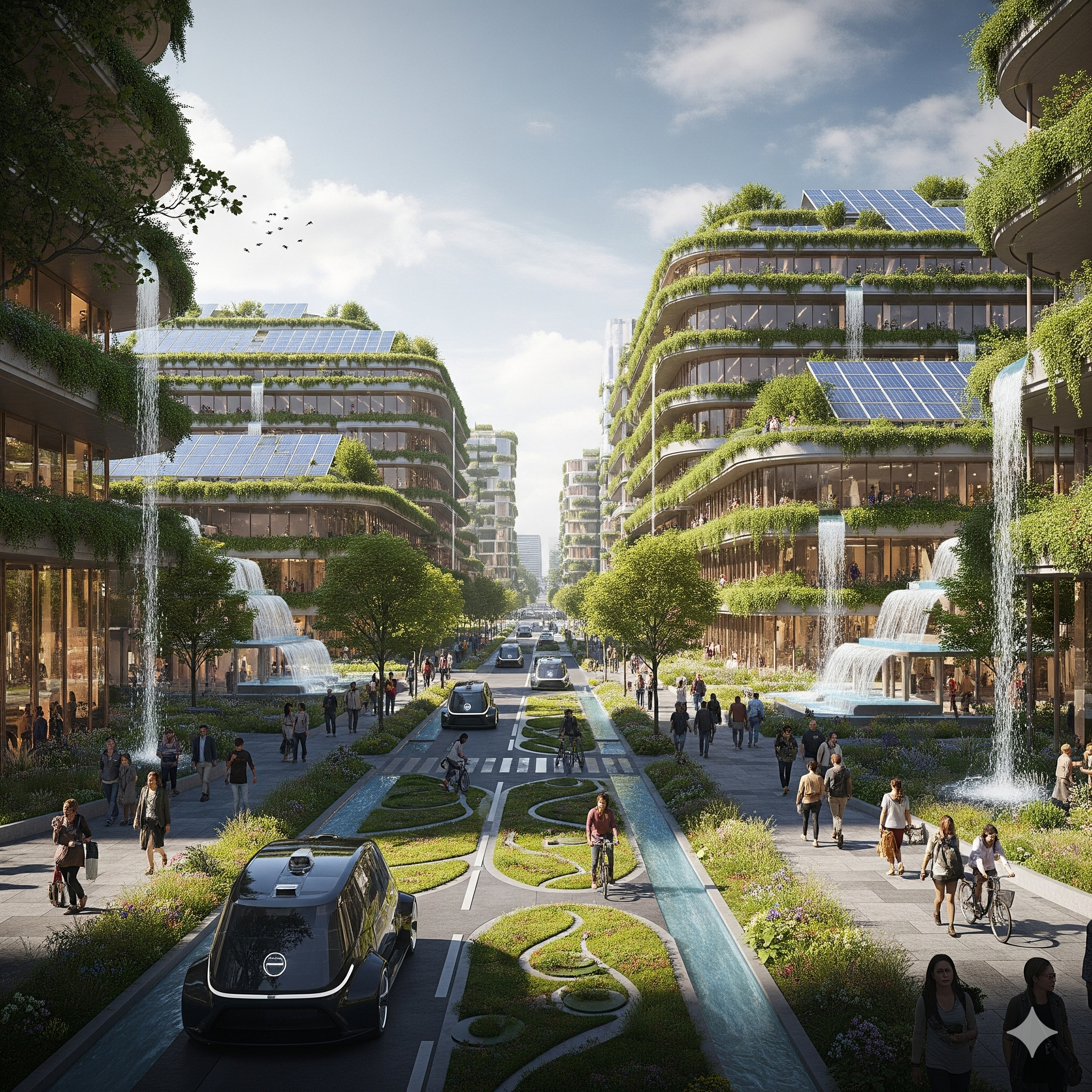
The most effective approach is to integrate these goals. The magic happens when a single design choice serves both purposes. For example, planting a street tree is a brilliant two-for-one solution. It provides shade to cool the neighborhood and reduce energy demand for air conditioning (adaptation), and it also absorbs carbon dioxide from the atmosphere (mitigation). Similarly, replacing concrete with green infrastructure like bioswales manages floodwater (adaptation) while creating carbon-sequestering green spaces that make walking and cycling more pleasant (mitigation).
Reimagining our streets isn’t just an environmental imperative; it’s an opportunity to create more equitable, healthy, and vibrant communities. By building streets that are cool, green, and prioritize people, we can tackle the climate crisis head-on and improve our quality of life. It’s time to pave the way for a resilient future, one block at a time.

A local, proactive approach is more critical than ever. With federal policies actively working against meaningful climate action, waiting for leadership or support from Washington is simply not a viable strategy. The responsibility to protect our communities from rising water and extreme weather falls squarely on our own shoulders. Resilience can’t be dictated by national politics; it will be built by us; through the bold and integrated design of the streets we call home. It’s up to us to demand and create a safe, sustainable future we all so desperately need and deserve.

President Biden introduces ambitious clean energy and climate-change focused infrastructure bill

April 5, 2021 Natasha John – Andrew Shaw – Clinton Vince On March 31, President Biden unveiled his US$2 trillion infrastructure proposal – the American Jobs Plan – in a speech in Pittsburgh. The American Jobs Plan includes funding for traditional infrastructure areas but also … Continue reading President Biden introduces ambitious clean energy and climate-change focused infrastructure bill