Our cities are on the front lines of climate change, with few places in the world more impacted than my current home state of Florida. In many parts of the state, you no longer need a hurricane for roads to flood—just a sunny day and a high tide.
While the Florida Department of Transportation (FDOT) has thankfully moved past climate change denial (kind-of ?) and begun the critical work of studying vulnerabilities and elevating some key roads, their pace feels out of sync with the urgency of our reality. The current approach is more reactive than proactive. This continues to result in a patchwork of fortified roads rather than a truly resilient, statewide network designed for the future. As the water keeps rising, we’re left with a crucial question: are these efforts enough to keep Florida moving, or are they just expensive band-aids on a rapidly worsening wound?
Traditionally, we’ve treated mitigation and adaptation as separate tasks. Mitigation strategies aim to reduce the sources of greenhouse gases. On our streets, this means encouraging walking, cycling, and public transit over driving, installing EV charging stations, and using low-carbon construction materials. Adaptation, on the other hand, means adjusting to the climate reality we face now. This includes planting trees for a cooling shade canopy or using permeable pavements that allow stormwater to soak into the ground, reducing flood risk.
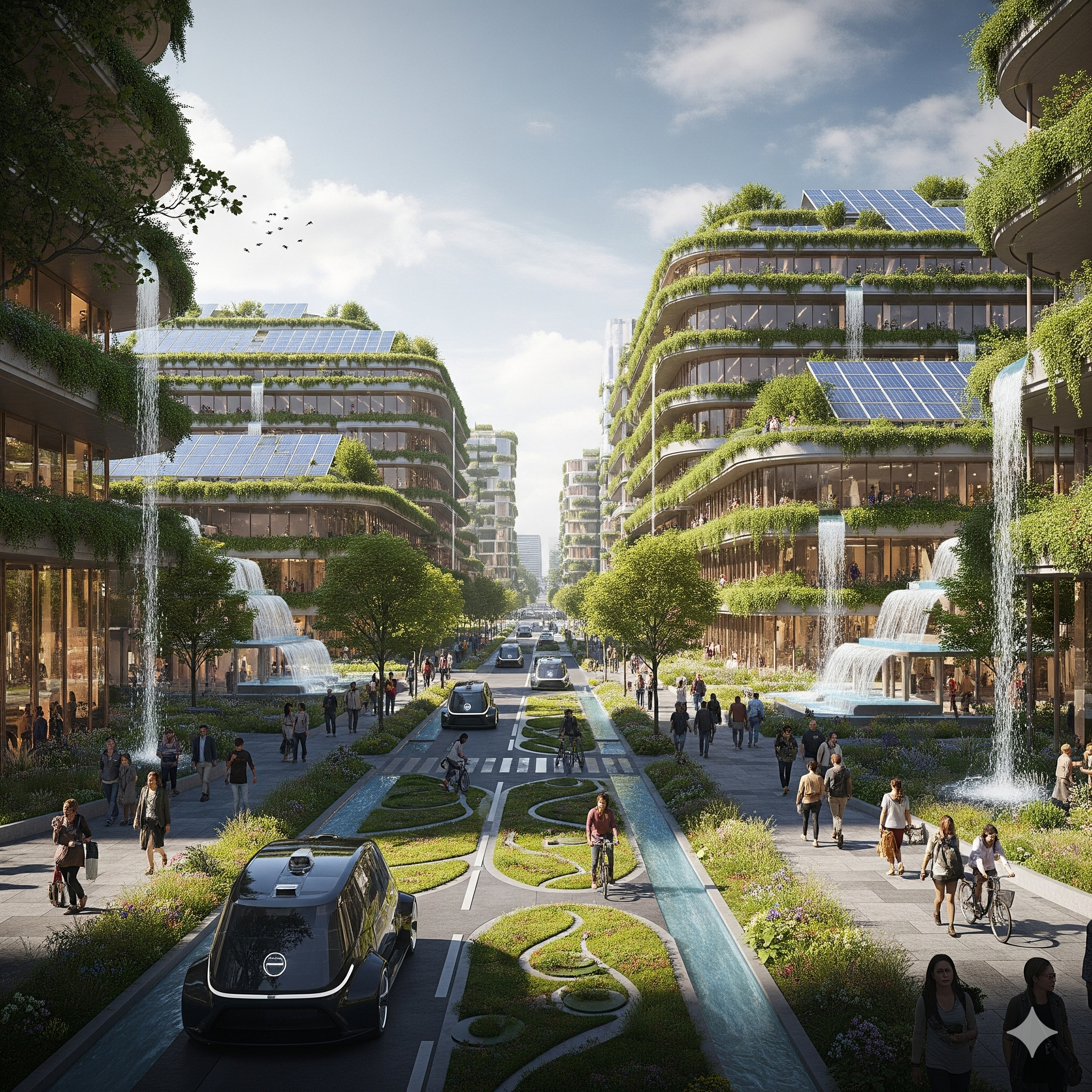
The most effective approach is to integrate these goals. The magic happens when a single design choice serves both purposes. For example, planting a street tree is a brilliant two-for-one solution. It provides shade to cool the neighborhood and reduce energy demand for air conditioning (adaptation), and it also absorbs carbon dioxide from the atmosphere (mitigation). Similarly, replacing concrete with green infrastructure like bioswales manages floodwater (adaptation) while creating carbon-sequestering green spaces that make walking and cycling more pleasant (mitigation).
Reimagining our streets isn’t just an environmental imperative; it’s an opportunity to create more equitable, healthy, and vibrant communities. By building streets that are cool, green, and prioritize people, we can tackle the climate crisis head-on and improve our quality of life. It’s time to pave the way for a resilient future, one block at a time.
A local, proactive approach is more critical than ever. With federal policies actively working against meaningful climate action, waiting for leadership or support from Washington is simply not a viable strategy. The responsibility to protect our communities from rising water and extreme weather falls squarely on our own shoulders. Resilience can’t be dictated by national politics; it will be built by us; through the bold and integrated design of the streets we call home. It’s up to us to demand and create a safe, sustainable future we all so desperately need and deserve.
 Planningnerd.net